

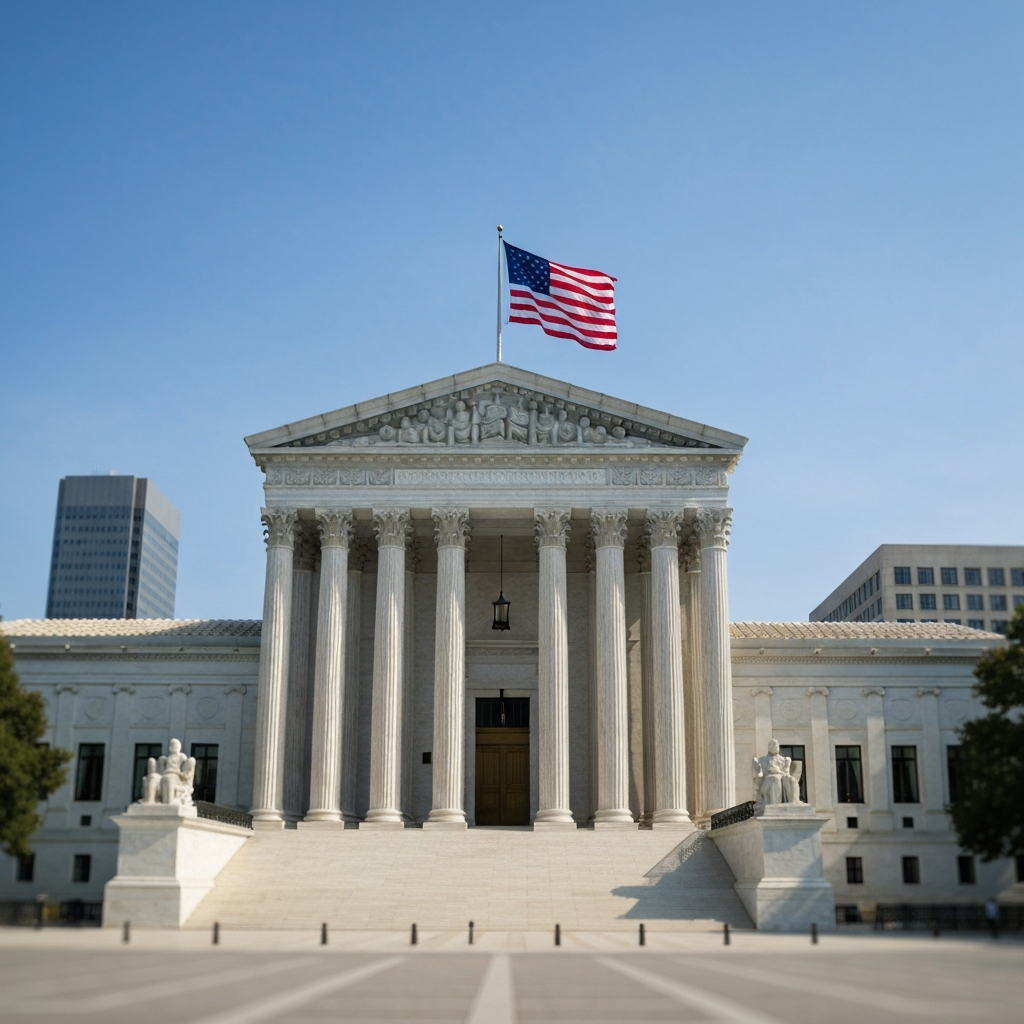
The Supreme Court recently issued a ruling that narrows a key provision of the Voting Rights Act, a landmark piece of legislation designed to prevent racial discrimination in voting. This decision has sparked discussions about its potential impact on electoral districts across the country.
Background on the Voting Rights Act
Enacted in 1965, the Voting Rights Act aimed to eliminate barriers that prevented African Americans and other minorities from exercising their right to vote. Over the years, it has been instrumental in addressing discriminatory practices in various states.
Details of the Supreme Court’s Decision
The Court’s recent ruling focuses on the criteria used to establish majority-minority districts—electoral districts where a specific minority group comprises the majority of the voting population. By narrowing the interpretation of these criteria, the decision could lead to changes in how such districts are drawn and maintained.
Implications for Electoral Districts
Redistricting, the process of redrawing electoral district boundaries, occurs every ten years to reflect population changes. The Supreme Court’s decision may influence this process by altering the standards for creating majority-minority districts. This could affect the political representation of minority communities and potentially shift the balance of power in certain regions.
Local Perspective
While the immediate effects of the ruling will vary by state, it’s essential for residents to stay informed about how this decision might influence local and state elections. Engaging with community organizations and participating in public discussions can help ensure that the redistricting process remains fair and representative of all constituents.
Conclusion
The Supreme Court’s ruling on the Voting Rights Act marks a significant development in election law. As the nation navigates the implications of this decision, active civic engagement and awareness will be crucial in upholding the principles of fair representation.